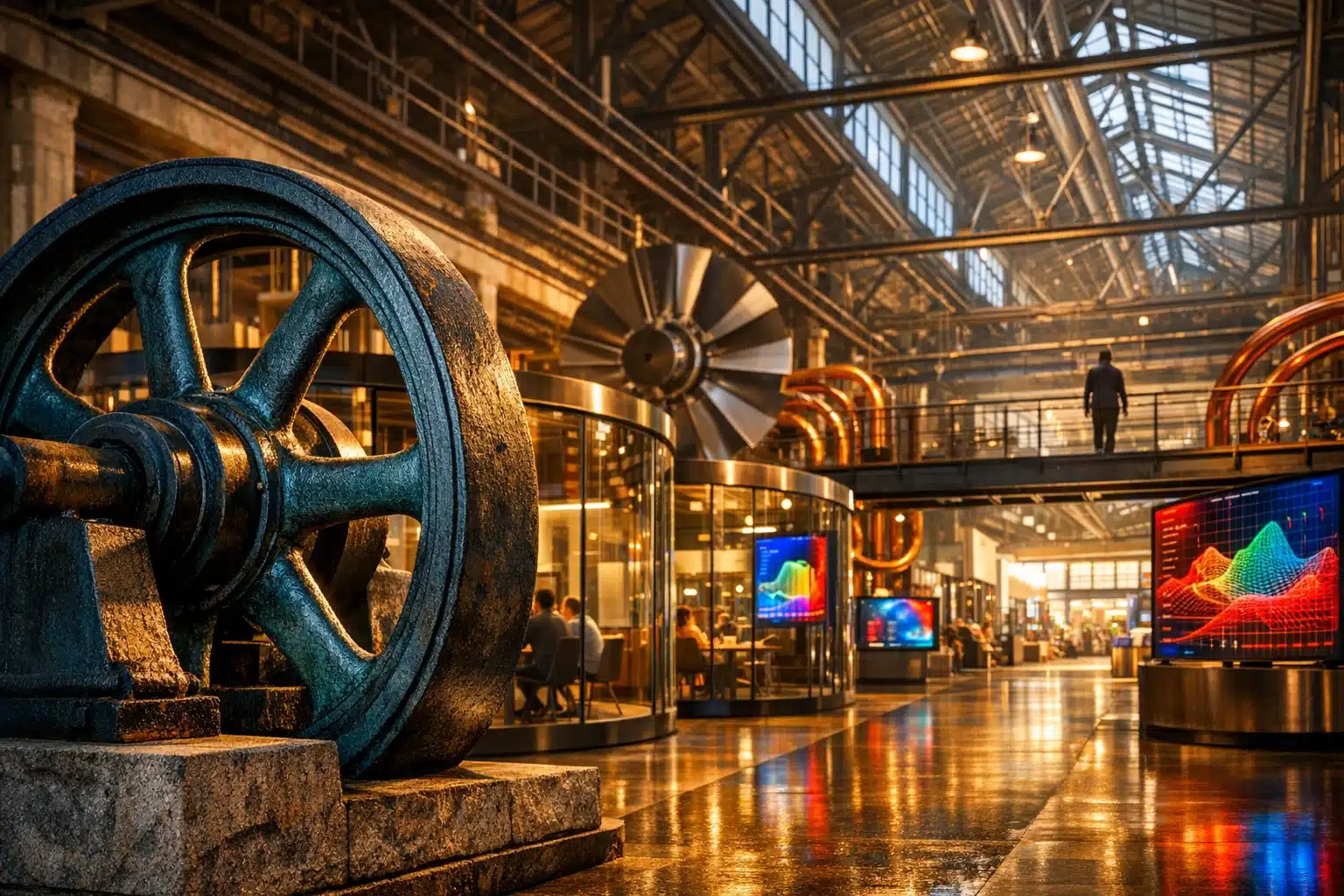
Exploring Emerging Trends in Arts & Entertainment: A Look into the Future
Introduction to Current Trends in Arts & Entertainment
The arts and entertainment sector is constantly evolving, reflecting the dynamic nature of culture and society. This season, new trends are emerging that are reshaping the landscape of creativity and engagement. From technological advancements to a renewed focus on diversity and sustainability, these trends offer a glimpse into the future of the industry. As we delve into these developments, we’ll explore how they are influencing artists, audiences, and the broader cultural narrative.
The Rise of Digital Art and Virtual Experiences
The digital realm continues to revolutionize the arts and entertainment industry, offering new platforms and tools for creativity. Virtual reality (VR) and augmented reality (AR) are among the technologies that are transforming the way audiences experience art. These immersive technologies allow for interactive and engaging experiences that transcend traditional boundaries. For instance, virtual art galleries and online concerts have become increasingly popular, providing access to art and performances from the comfort of one’s home.
Moreover, the rise of NFTs (non-fungible tokens) has created new opportunities for artists to monetize their digital creations. This trend has sparked a debate about the value of digital art and its place in the broader art market. While some view NFTs as a revolutionary way to support artists, others question the sustainability and environmental impact of blockchain technology.
Embracing Diversity and Inclusion in Entertainment
This season, there is a strong emphasis on diversity and inclusion within the arts and entertainment sector. Audiences are increasingly demanding representation and authenticity in the stories told through various media. This shift has led to a more inclusive approach in casting, storytelling, and production processes across film, television, and theater.
Producers and creators are actively seeking to amplify voices from underrepresented groups, ensuring that diverse perspectives are reflected in their work. This trend is not only enriching the cultural landscape but also fostering a more inclusive industry. By prioritizing diversity, the arts and entertainment sector is better equipped to connect with global audiences and address important social issues.
Sustainability in the Arts: A Growing Priority
As environmental concerns continue to rise, sustainability has become a key focus in the arts and entertainment industry. Artists and organizations are exploring eco-friendly practices to reduce their carbon footprint and promote environmental awareness. From using sustainable materials in art installations to implementing green production techniques in film and theater, the industry is making strides toward a more sustainable future.
In addition, artists are using their platforms to raise awareness about climate change and environmental issues. This trend is evident in the themes explored in contemporary art, music, and literature. By highlighting the urgency of these issues, the arts are playing a crucial role in inspiring action and fostering dialogue around sustainability.
Conclusion: The Future of Arts & Entertainment
The latest trends in arts and entertainment reflect a dynamic and forward-thinking industry that is responsive to technological innovations, cultural shifts, and societal challenges. As we navigate this ever-changing landscape, the importance of embracing diversity, sustainability, and digital advancements cannot be overstated. These trends not only enhance the creative process but also enrich the audience experience, offering new ways to engage with art and entertainment.
As we look to the future, it is clear that the arts and entertainment sector will continue to evolve, driven by the creativity and innovation of artists and creators worldwide. By staying attuned to these trends, we can better understand the direction in which the industry is heading and the impact it will have on our cultural experiences.