Food Packing Jobs in the UK: How the Sector Operates
Introduction, Context, and Outline
Food packing in the UK is where supply chains become something you can actually hold: a sealed tray, a labeled jar, a case ready for dispatch. It connects farms and factories with shops and households, and it supports a wide ecosystem of logistics, quality assurance, maintenance, and supervision. Estimates commonly place food and drink manufacturing among the country’s largest industrial employers, and packaging lines are a major source of entry-level opportunities as well as specialized roles. In short, if you want to understand how food makes its final leap from production to distribution, you need to understand how packing sites run and the skills they rely on. That is why this article starts with The Foundation of Food Packing in the UK and then moves into the practical realities of the job—shift patterns, technology, safety, and career progression.
Here is a quick outline so you can navigate with purpose:
– Operations at a glance: raw material intake, primary packing, secondary packing, and dispatch.
– People and skills: what line operatives, machine setters, hygiene technicians, and quality controllers actually do.
– Technology and compliance: automated equipment, product checks, and audit-ready standards without jargon.
– Pay, shifts, and training: how schedules, allowances, and upskilling typically work in the sector.
– Risks and trends: labour availability, sustainability demands, and how automation changes roles.
This structure mirrors the rhythm of a real site: goods arrive, products are packed, checks are made, and shipments leave on time. You’ll see how the flow varies between chilled, ambient, and frozen operations, why packaging choices matter for safety and shelf life, and where human judgment is still vital despite rising automation. To keep things grounded, we’ll refer to realistic performance indicators (like line speeds and changeover durations), routine regulatory expectations (for traceability and allergen control), and everyday challenges (from seasonality to energy costs). By the end, you should have a clear, practical sense of how these jobs are organized and how to prepare for them.
From Intake to Dispatch: How a Packing Site Actually Runs
Most UK food packing sites follow a predictable but tightly controlled arc: intake, storage, preparation, packing, verification, and dispatch. Each stage is built to protect food safety, maintain quality, and meet commercial delivery slots. Intake teams receive ingredients and packaging materials against purchase orders, check temperatures where required, verify supplier documents, and isolate anything that fails specification. In temperature-controlled sites, the cold chain begins the moment a vehicle docks; thermometers and data loggers confirm that goods stayed within set ranges during transit.
Primary packing is where the product meets its first layer of protection—film, trays, tubs, sachets, cartons, or jars—selected to balance safety, shelf life, cost, and sustainability. Line speeds depend on product type and pack format; it is not unusual to see 60–200 units per minute for simple items, with slower rates for fragile products or complex assemblies. Changeovers (swapping film widths, label artwork, or product variants) can range from a few minutes to over an hour depending on tooling and clean-down requirements. Well-run teams plan changeovers to minimize downtime and keep Overall Equipment Effectiveness (OEE) healthy.
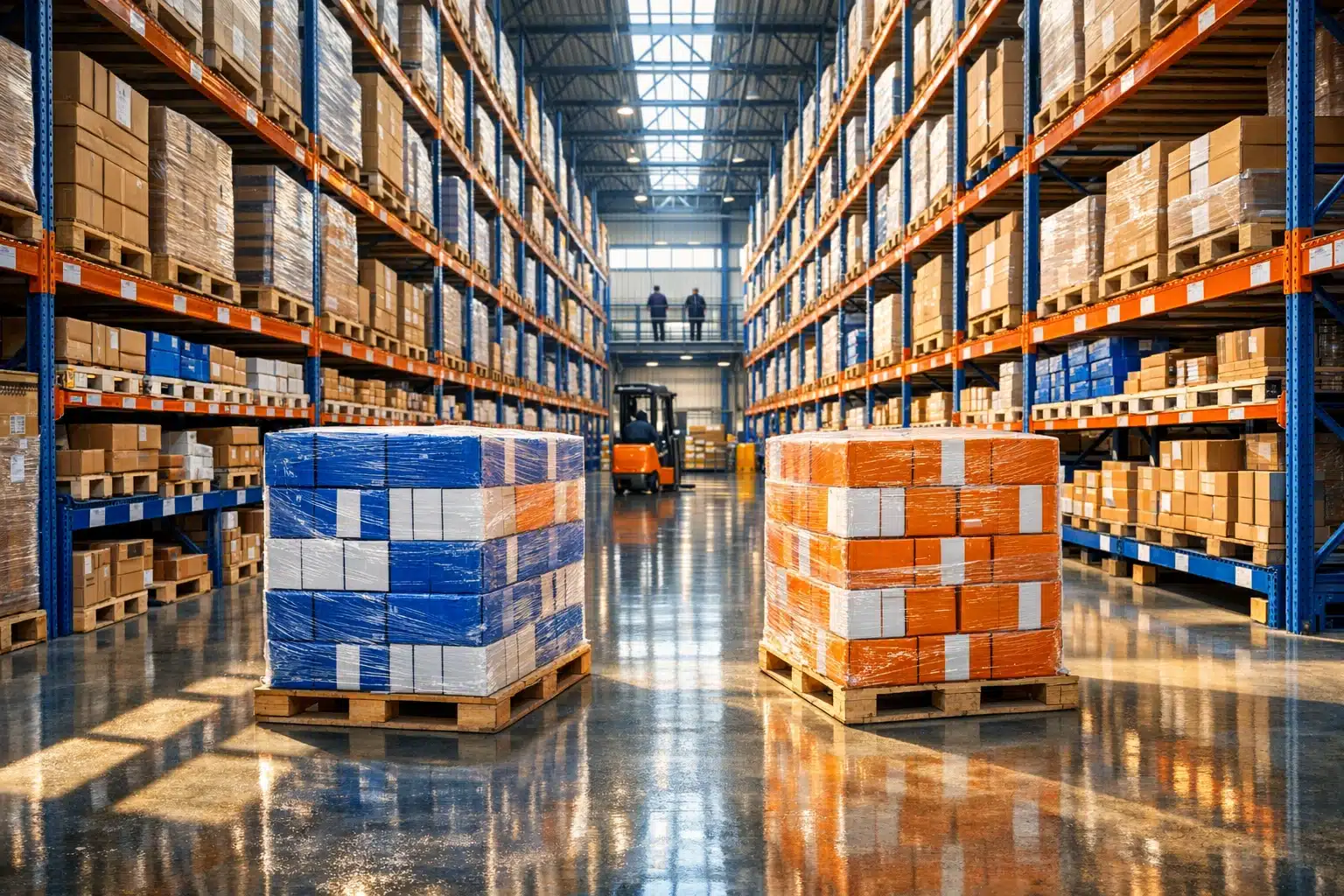
Secondary packing groups primary packs into multipacks, cases, or crates. Palletization then stacks cases with barcodes or scannable identifiers so that warehouse systems can track inventory by batch and date. Verification steps—metal detection, X-ray, checkweighing—are placed after sealing but before boxing, catching issues like under-weights, missing components, or foreign objects. Visual inspections confirm print legibility, date codes, and pack integrity. Each check is logged, often digitally, to prove due diligence during audits.
Warehousing teams manage finished goods using first-expire-first-out logic. Dispatch planners match pallets to customer orders, book transport, and prepare load plans that respect temperature zones and delivery windows. Routine metrics keep everyone aligned: right-first-time pack rate, wastage as a percentage of throughput, and on-time-in-full performance. Put simply, a packing site is a choreography of machine capability and human attention, designed to protect food safety while hitting commercial targets.
People, Roles, Skills, and Training Pathways
Behind each case on a pallet stands a network of roles. Line operatives feed materials, monitor film reels, and remove non-conforming product. Machine setters dial in parameters, clear jams safely, and reduce downtime. Quality controllers take samples, check labels, verify weights, and document results. Hygiene technicians carry out deep cleans between allergen runs and at day’s end, using validated procedures to prevent cross-contamination. Engineers maintain conveyors, sealers, and inspection systems, while team leaders coordinate changeovers, breaks, and daily targets.
Entry-level pay often starts at or near the prevailing national living wage, with increments for night shifts, weekends, or chilled environments. Skilled roles such as machine setters, lead operatives, or technicians can command higher hourly rates, particularly where experience shortens changeovers or improves first-pass yield. Overtime may be available in peak seasons, but hours can fluctuate with demand. Candidates who show up reliably, learn multiple stations, and document issues clearly tend to progress fastest because they stabilize the line’s output.
Training typically blends on-the-job instruction with short courses in food safety, allergen awareness, manual handling, and problem-solving. Some sites support vocational qualifications that formalize skills in process operations or engineering maintenance. Cross-training is common: an operative might learn basic machine setup, a setter might gain quality sampling skills, and a team leader might train in root cause analysis. This layering builds resilience during absences and enables smoother promotion pathways. For newcomers, it helps to treat the first weeks as an extended orientation: master safe operating procedures, learn the critical control points for your product, and keep a tidy workstation that passes spot checks.
If you are mapping a long-term career, aim for roles that connect decisions with measurable outcomes. For instance, learning to optimize changeovers can raise OEE, while mastering date-code setups reduces rework. These skills are part of The Foundation of Food Packing in the UK—consistent processes, clear records, and a culture of cautious problem-solving that protects consumers and keeps production flowing.
Technology, Safety, and the Compliance Backbone
Modern packing floors combine mechanical reliability with data visibility. Common equipment includes horizontal and vertical form-fill-seal machines, tray-sealers, flow-wrappers, labelers, checkweighers, metal detectors, and X-ray units. Vision systems verify barcodes and artwork; sensors monitor seal integrity; line control software aggregates stoppage reasons so teams can tackle the biggest losses first. None of this replaces people; instead, it shifts effort toward setup accuracy, rapid diagnostics, and evidence-based improvement.
Food safety sits above all. Sites operate documented hazard analyses and maintain critical control points such as temperature, seal verification, or foreign-body detection. Allergen management is detailed and non-negotiable: segregated storage, color-coded tools, validated changeovers, and clear label checks. Traceability links raw lots to finished batches so that if something goes wrong, a narrow recall can be executed swiftly. Audits—customer, third-party, or regulatory—expect clean records, trained staff, and a stable process that performs the same way on a rainy Monday as it does before a holiday surge.
Sustainability is steadily reshaping the job. Lightweighting reduces material use; mono-material films make recycling easier; recycled-content cartons are gaining ground where performance allows. Engineers look for air and energy leaks; maintenance plans favor preventive work that keeps lines efficient. Even simple steps add up: right-size cases to avoid void fill, optimize pallet patterns to increase vehicle utilization, and switch to reusable distribution crates where hygiene standards permit.
For workers, all this technology and documentation means three practical habits pay off:
– Set up once, verify twice: small errors in film threading or label artwork become big waste at speed.
– Record what happened, not what you wish happened: accurate logs protect you and the business during audits.
– Treat near-misses as free lessons: a timely fix today prevents tomorrow’s stoppage.
Compliance is not a box-tick; it is the operating system of the site. When it’s built into induction, refreshed in toolbox talks, and reinforced by sensible signage and workstation design, quality becomes the path of least resistance rather than an afterthought.
Pressures, Future Trends, and a Practical Conclusion
Every packing site balances speed, safety, cost, and people. Labour availability can tighten during peak seasons; energy price swings affect chilled and frozen operations disproportionately; and retailers’ specifications evolve quickly, forcing frequent artwork and pack changes. Sustainability targets add further complexity: switching to different materials may require new sealing temperatures or machine parts, with learning curves and temporary slowdowns. Automation helps, but it shifts the skills profile toward troubleshooting and preventative maintenance rather than simple throughput.
Emerging trends include smarter line monitoring, greater allergen vigilance, and packaging designs that travel better through parcel networks as more food moves via e-commerce. Career-wise, multi-skilled operatives and setters who can read data and act on it are positioned for steady progression. Supervisors who can coach, not just command, are especially valuable when training diverse teams and onboarding temps at pace. On the commercial side, right-first-time deliveries remain the heartbeat metric, as missed slots ripple through transport and store availability.
If you’re entering the field, a few grounded tips can smooth the path:
– Show up ready for shifts that rotate; consistency builds trust and unlocks cross-training.
– Learn the product’s critical checks first; quality protects both consumers and your reputation.
– Volunteer for changeover tasks; that’s where efficiency gains—and promotions—often start.
– Keep an eye on sustainability notes; packaging changes are career opportunities in disguise.
Discussions about Challenges in the Food Packing Sector often focus on staffing, compliance pressure, and material transitions, but they also highlight how resilient and adaptable this work has become. Teams that share knowledge, log issues clearly, and close the loop on corrective actions tend to thrive regardless of seasonality or spec changes. For hiring managers and jobseekers alike, the outlook is pragmatic: roles will evolve, but the core mission—safe, accurate, efficient packing—remains steady. Treat this as your concluding checklist: know the line, respect the paperwork, and communicate early when something looks off. Do that consistently, and you will contribute to a reliable operation with room to grow.