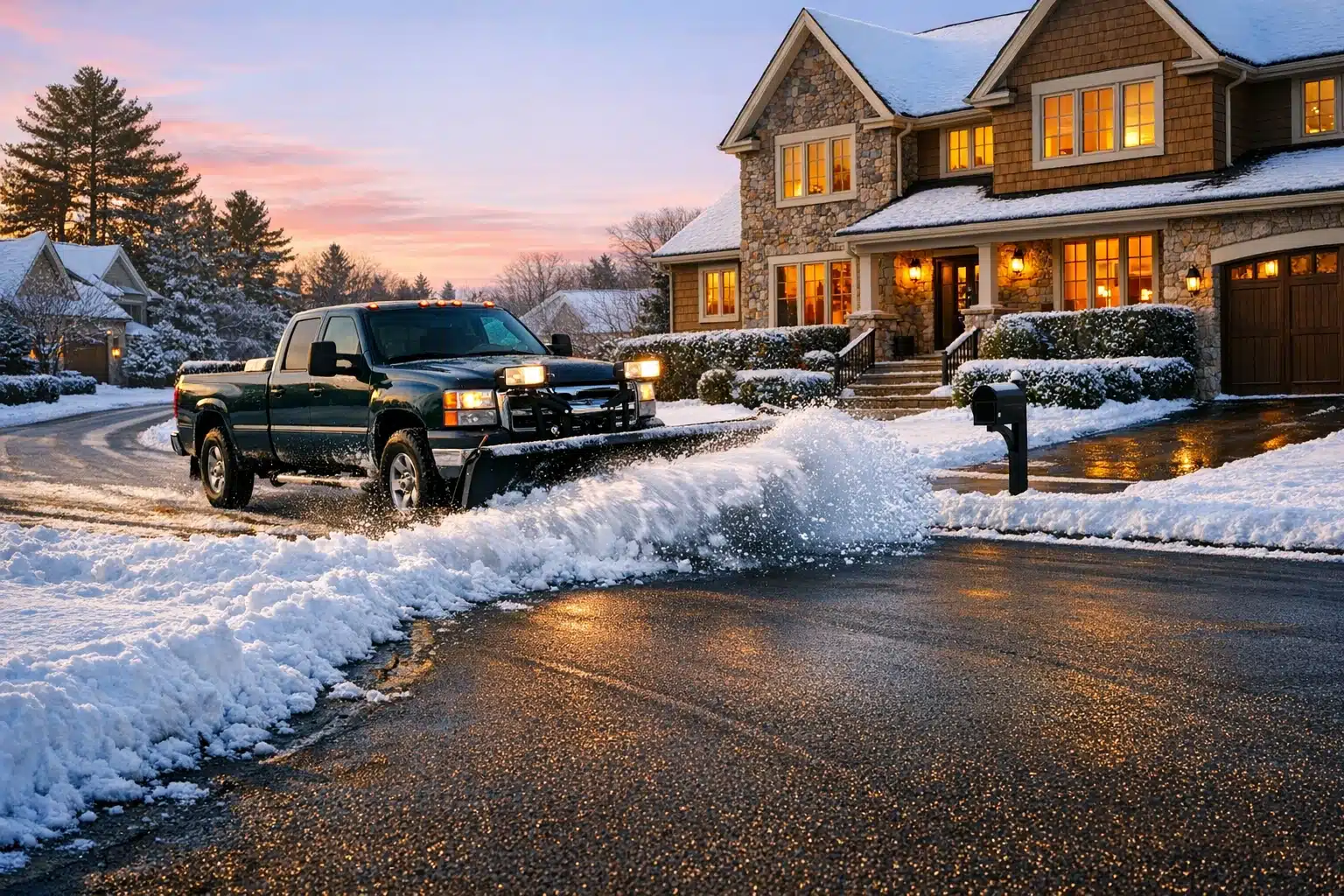
Learn about Snow removal
Snow does not need a blizzard’s drama to disrupt a household; a modest overnight fall can block cars, hide ice, and turn an ordinary morning into a rushed negotiation with weather. For homeowners, the issue is not only convenience but access, safety, and the time lost before the day even begins. Understanding how snow removal services work, when residential clearing is worth outsourcing, and how driveway snow cleaning should be handled can make winter far more manageable.
Article Outline and Why Snow Removal Deserves Attention
Before diving into methods and service choices, it helps to map the subject clearly. Snow removal is often discussed as if it were one simple task, yet most homeowners quickly learn that winter maintenance has layers. A company may plow a driveway, but that does not always mean it will shovel front steps, clear a narrow side path, remove snow berms left by city plows, or treat refrozen surfaces with deicer. In the same way, a person who feels comfortable handling a light snowfall with a shovel may struggle when the accumulation is wet, packed, or followed by freezing rain. The outline of this article is designed to separate those moving parts so the topic becomes easier to evaluate and far easier to act on.
This guide is organized around five practical themes:
• what a snow removal service typically includes
• how residential snow clearing differs from large commercial work
• why driveway snow cleaning needs its own strategy
• when to compare do-it-yourself work with professional help
• how homeowners can choose a winter plan that fits budget, schedule, and property layout
The relevance of the topic goes beyond comfort. A blocked driveway can delay a commute, a slippery walkway can increase the chance of falls, and repeated freeze-thaw cycles can leave behind ridges of ice that are harder to remove later. Snow type matters too. Fresh dry snow is relatively light, while wetter snow can be several times heavier by volume, which means the same-looking storm can produce very different labor demands. Add in wind drifting, street plow runoff, shaded surfaces, and local sidewalk clearing requirements, and the difference between a smooth winter morning and a frustrating one becomes easy to understand.
There is also a lifestyle angle that people often overlook. Older adults, busy families, remote workers, landlords, and frequent travelers do not all need the same service level. One homeowner wants a plow pass before 6 a.m.; another needs hand shoveling around a porch and mailbox; someone else mainly wants a clean driveway so the garage can be used safely. Winter has a habit of arriving on its own schedule, but preparation does not need to be chaotic. The sections that follow turn the subject into a practical framework, with comparisons, examples, and homeowner-focused advice that can be used before the next storm shows up at the curb.
What a Snow Removal Service Usually Includes
A snow removal service is more than a truck with a plow blade. At the residential level, service can include weather monitoring, trigger-based dispatching, driveway plowing, sidewalk shoveling, snow blowing for tighter spaces, deicing, and return visits if a storm continues throughout the day. Some providers also offer snow relocation or hauling when piles become too large to manage on site, although that tends to be less common for standard homes than for commercial lots. The important detail for homeowners is that the phrase snow removal service can mean very different things from one company to another, so the service list matters more than the label.
One useful way to compare providers is by service model. A seasonal contract often means the company responds whenever snowfall reaches a defined depth, such as 2 inches or 3 inches. This can provide peace of mind, especially in regions with repeated storms. A per-visit arrangement may suit homeowners in milder climates, but it can be harder to predict monthly cost and availability. During heavy regional snowfall, on-call customers sometimes face longer wait times than customers on recurring routes. Neither model is automatically better; the right choice depends on local weather patterns, how quickly a driveway must be opened, and whether the homeowner is available to do interim clearing.
Scope is another major point of comparison. Some companies only clear the main lane of a driveway wide enough for vehicle access. Others provide a more finished result by widening edges, cleaning apron areas near the street, and hand clearing around garage doors. Sidewalks and entry steps are often separate line items. That distinction matters because compacted snow left near a front entry can become a slip hazard even if the driveway itself is passable. A complete service estimate should answer questions like these:
• What is the trigger depth for dispatch?
• Are walkways included or billed separately?
• Is deicing part of the package?
• Will the company return if the city plow blocks the driveway end?
• How is service handled during back-to-back storms?
There are practical benefits beyond convenience. Professional crews can usually clear larger areas faster than a homeowner working alone, and they reduce the physical strain associated with lifting wet snow. This matters because snow shoveling can be demanding on the back, shoulders, and cardiovascular system, especially when temperatures are low and the snow is dense. There is also a scheduling benefit. A dependable provider can restore access while the homeowner is asleep, at work, or traveling. The key is not to assume a service does everything. The best residential arrangements are defined in plain language, with timing, surface areas, snow depth triggers, and post-storm expectations all stated clearly before winter settles in for the season.
Residential Snow Clearing: The Homeowner’s Version of Winter Planning
Residential snow clearing is different from parking-lot work because the goals are more personal and the spaces are more varied. At home, clearing is not just about moving snow off a surface. It is about making a property usable for daily life: backing out of the garage, walking children to the car, taking out trash bins, receiving deliveries, reaching the mailbox, and keeping a safe path for visitors, tenants, or emergency access. A house has awkward corners, decorative borders, porch steps, narrow side yards, and surface changes that larger plow operations do not face in the same way. That is why a plan designed for a single-family property should be more detailed than many people expect.
Timing plays a major role. Light fluffy snow can often be removed quickly if tackled early, while the same area becomes slower and heavier after foot traffic, tire compression, or partial thawing. If a storm is expected to last many hours, clearing once in the middle can reduce the final workload considerably. This is one reason homeowners sometimes choose a hybrid approach: they shovel a quick path during the event, then rely on a service for a full finish once snowfall ends. The strategy works particularly well for households that need immediate access but do not want to handle the entire accumulation on their own.
Doing the work yourself has advantages. It saves service fees, provides control over how the property is handled, and can be practical for small lots with manageable snowfall. Yet it also requires equipment, physical effort, and consistency. A homeowner who travels often or leaves early for work may not be present when clearing is most needed. Tool choice also matters. A shovel is inexpensive and versatile, a snow pusher moves lighter accumulations efficiently, and a snow blower can be a major time saver for medium to large areas. Each tool, however, has limits based on depth, snow density, and available storage space.
A solid residential clearing plan often includes the following:
• identify priority areas such as front steps, a primary walkway, and one vehicle path
• decide where snow will be piled so it does not block sight lines or drainage
• keep ice melt and a shovel accessible before the first storm, not after it
• check local rules on sidewalk clearing deadlines
• plan for refreezing after afternoon melting or overnight temperature drops
There is also a property protection angle. Repeated scraping with improper equipment can damage pavers, disturb gravel, or leave gouges along softer surfaces. Salt and some chemical deicers may affect nearby vegetation, concrete curing, or metal components if used carelessly. Residential snow clearing works best when it is specific to the home rather than generic. A steep driveway, a shaded entrance, or a north-facing walkway can change everything. When homeowners match their clearing method to the actual layout of the property, winter maintenance becomes less of a reactive scramble and more of a routine with fewer surprises and safer results.
Driveway Snow Cleaning: Techniques, Surfaces, and Smarter Decisions
Driveway snow cleaning deserves separate attention because the driveway is usually the largest hard surface a homeowner must manage, and it directly affects mobility. If the driveway is poorly cleared, the rest of the property can feel unusable even when the front steps are clean. A short flat driveway demands one kind of approach; a long rural lane, a steep suburban slope, or a curved shared access route demands another. Surface material matters as well. Asphalt, concrete, pavers, and gravel all respond differently to plows, shovels, and snow blowers. In other words, the driveway is not just another patch of snow. It is the part of the property where technique pays off quickly.
The first comparison is between manual clearing and machine-based clearing. Shoveling may be perfectly reasonable for a compact driveway after a few inches of dry snow. Once depth increases, the surface area turns that same job into a much larger energy investment. Snow blowers are useful because they lift and throw snow rather than requiring constant pushing and carrying, but they still take time and can struggle with slush, plow-packed berms, or deep drifting. Vehicle plowing is faster for wide access areas, yet it requires room to push snow and can leave smaller sections unfinished. That is why many residential services combine methods: a plow for the main run, then hand tools or a blower for details near garage doors, parked cars, retaining walls, and steps.
Technique also changes by condition. During a moderate storm, clearing in layers is often easier than waiting for full accumulation. Wet snow compacts quickly under tires, and once packed, it can bond more firmly to cold pavement. A smart sequence for many homes looks like this:
• open a narrow pass first to create access
• widen the path before the snow hardens
• clear the area in front of garage doors so meltwater does not refreeze there
• remove the ridge left by municipal plows at the street edge
• apply deicer selectively to high-risk spots instead of coating the entire driveway without a plan
Surface protection should not be overlooked. Gravel driveways can be disturbed by low plow settings, especially early in the season before the ground freezes solid. Decorative pavers may need gentler equipment or careful blade shoes. New concrete may have manufacturer guidance regarding deicer use during curing periods. Even the shape of the driveway influences results. A long straight path may suit a plow route, while a circular drive with islands and borders may require more detailed work than people expect. The best driveway snow cleaning plan is not the one with the biggest machine. It is the one that matches the width, slope, surface, traffic needs, and snow pattern of the property. When that match is right, clearing is quicker, safer, and less likely to create bigger maintenance problems later in the season.
Choosing the Right Winter Plan for Your Home: A Conclusion for Homeowners
For most homeowners, the real decision is not whether snow should be cleared. That part is obvious. The real decision is how to create a winter routine that is dependable, cost-aware, and realistic for the household. A retired couple may prioritize reduced physical strain. A family with early school drop-offs may care most about pre-dawn access. A landlord may need predictable service and clear documentation. Someone who works from home might be comfortable with a slower response than a commuter who needs the car moving before sunrise. A good plan starts by asking what must be clear first, how fast it must be done, and who will handle it when the weather is inconvenient, which is usually when snow is most disruptive.
When comparing service providers, clarity is worth more than flashy promises. Ask for the trigger depth, expected response window, areas included, deicing terms, storm follow-up policy, and pricing structure. It is also reasonable to ask whether the company is insured, how route priority is handled, and how updates are communicated during active weather. A short list of homeowner questions can prevent a long list of winter frustrations:
• Is the driveway the only area covered, or are walkways and steps included?
• What happens if snow continues after the first visit?
• Are there extra fees for heavy accumulation or ice treatment?
• Can the company handle vacation periods when no one is home?
• Is there a contact method for urgent access issues?
Budget should be evaluated over the full season rather than storm by storm alone. A per-visit rate can look economical in a light year, while a seasonal contract may be easier to live with when storms are frequent. Yet price should not be separated from value. A cheaper plan that leaves packed snow at the garage, ignores the sidewalk, or arrives too late for the morning commute may create hidden costs in time, stress, or risk. In some cases, the best solution is mixed: the homeowner manages light events independently and uses a professional service for larger storms or recurring route support.
The central takeaway is simple. Snow removal service, residential snow clearing, and driveway snow cleaning are connected, but they are not interchangeable ideas. Each one involves different expectations, tools, and decision points. Homeowners who define their priorities early, understand the limits of both DIY work and contracted help, and choose a plan that fits the actual property are usually the ones who move through winter with fewer setbacks. When the next storm arrives, the goal is not perfection worthy of a postcard. It is something far more useful: a safe entrance, a workable driveway, and a morning that begins with momentum instead of avoidable stress.